
Understanding Waste Removals: The Importance for Homeowners
As homeowners, managing waste efficiently is a crucial aspect of maintaining a clean and healthy environment. Waste removals go beyond simply discarding unwanted items; they contribute significantly to sustainability and community well-being. By employing proper waste management strategies, households can ensure that they are not only decluttering their living spaces but also playing a vital role in fostering a greener planet. When exploring options, waste removals provides comprehensive insights into how to manage and dispose of waste effectively.
What Are Waste Removals?
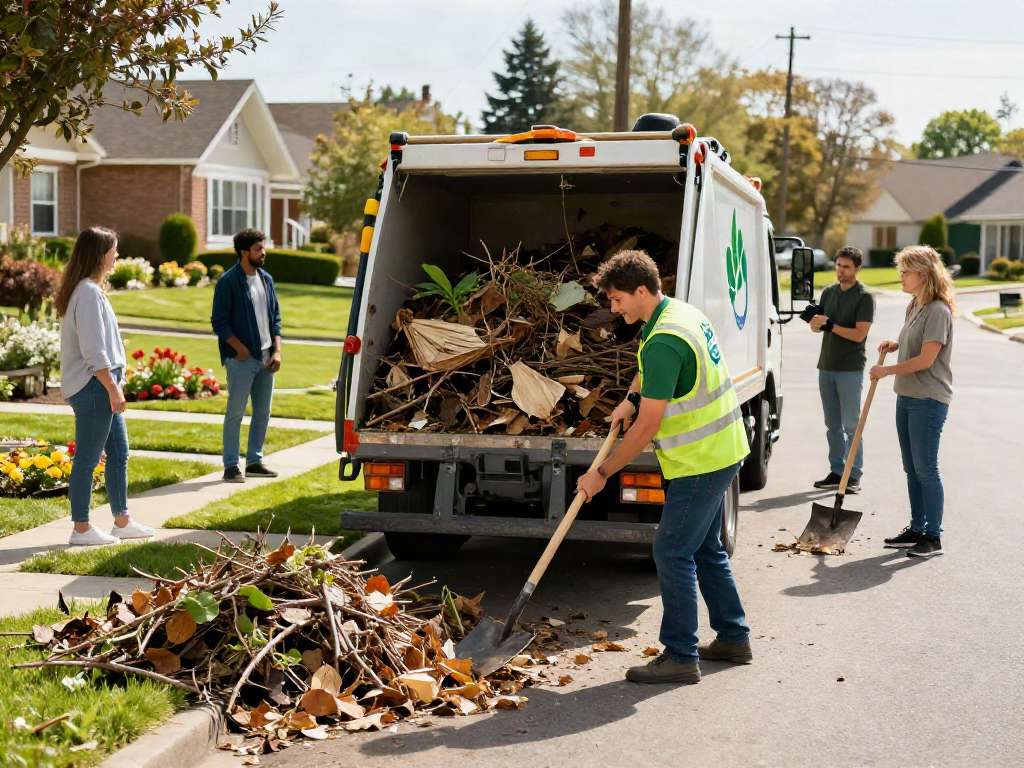
Waste removals refer to the process of collecting, transporting, and disposing of unwanted materials from residential spaces. This can include everything from household clutter and old furniture to garden refuse and renovation debris. Various services specialise in waste removals, providing tailored solutions for homeowners based on their specific needs. These services are essential in ensuring that waste is disposed of responsibly, in adherence with local regulations, and in an environmentally friendly manner.
Benefits of Efficient Waste Removals for Homes
Efficient waste removals offer numerous advantages that extend beyond just creating more space in your home. Here are some key benefits:
- Improved Aesthetics: Clearing out unwanted items significantly enhances the visual appeal of your home.
- Health Benefits: Proper waste management reduces the risk of pests and health hazards, contributing to a healthier living environment.
- Eco-Friendly Practices: Many waste removal services adopt environmentally friendly disposal methods, recycling materials wherever possible.
- Convenience: Professional services save homeowners time and effort in managing large volumes of waste.
Common Challenges Homeowners Face with Waste Management
While efficient waste removals are beneficial, homeowners frequently encounter a range of challenges:
- Overwhelm: The sheer volume of waste accumulated, especially during renovations or major cleanouts, can be daunting.
- Regulatory Compliance: Understanding local regulations concerning waste disposal can be complex, leading to potential fines or compliance issues.
- Environmental Impact: Many homeowners are unsure about the ecological footprint of their waste disposal practices.
- Resource Limitations: Not all homeowners have access to the necessary resources or knowledge to manage waste effectively.
Key Metrics for Tracking Waste Removals Success
Cost Efficiency: Measuring Financial Aspects
When evaluating the efficiency of waste removals, cost is a primary metric to consider. Homeowners should assess not only the upfront costs of hiring a waste removal service but also the long-term savings associated with improved waste management. These savings can manifest in reduced health risks, improved property values, and potential tax benefits associated with recycling initiatives.
Volume Analysis: Understanding Waste Types
Understanding the types of waste being removed is crucial for effective management. Homeowners should track the volume of various types of waste—such as recyclables, compostable materials, and non-recyclables—to identify areas for improvement. This data can assist in making informed decisions regarding future waste removals and potential adjustments for sustainable practices.
Customer Satisfaction: Gathering Feedback
Collecting feedback from customers on waste removal services is essential in evaluating performance and efficiency. Homeowners should implement surveys or discussions post-service to gauge satisfaction levels, identify areas needing improvement, and ensure that services are meeting their needs effectively.
Best Practices for Effective Waste Removals
Scheduling Regular Waste Removals
Implementing a schedule for regular waste removals can prevent the build-up of clutter and ensure that waste is handled proactively. Homeowners should determine a frequency that aligns with their lifestyle—whether that’s monthly, quarterly, or after significant home projects—thus avoiding overwhelming cleanout events.
Preparing Your Home for Efficient Service
Preparation is key to maximising the efficiency of waste removal services. Homeowners should take the time to sort through items before the service arrives, separating what can be recycled, donated, or discarded. Labelling bins and creating clear pathways can facilitate a quicker, more organised removal process.
Eco-Friendly Practices in Waste Management
Embracing eco-friendly practices can significantly enhance waste management efforts. Homeowners are encouraged to:
- Recycle: Separate recyclable materials and consult local guidelines to ensure proper disposal.
- Compost: Start a compost pile for organic waste, reducing landfill contributions.
- Upcycle: Get creative by repurposing items instead of throwing them away.
Future Trends in Waste Removals Services
Technological Innovations Shaping the Industry
The waste removal industry is poised for growth, particularly through technological advancements. From mobile apps that connect homeowners with waste removal services to AI algorithms that optimise waste collection routes, technology is enhancing efficiency and service delivery.
Regulatory Changes Impacting Waste Management
As environmental awareness grows, so do regulations surrounding waste management. Homeowners can expect more stringent laws promoting recycling and waste reduction, which will necessitate adapting waste removal strategies accordingly. Staying informed will help manage compliance and support community efforts.
Community Engagement and Responsibility
Communities are increasingly recognising the importance of collaborative waste management. Local initiatives encouraging recycling and proper waste disposal not only benefit the environment but also foster a sense of community responsibility. Homeowners are encouraged to participate actively in local programmes.
Case Studies: Successful Waste Removals in Action
Residential Projects: Transforming Spaces
Numerous case studies illustrate the transformative power of effective waste removals for residential projects. For instance, a family that undertook a significant home renovation project found that efficient waste management sparked a renewed sense of pride in their living space, significantly enhancing their day-to-day enjoyment of their home.
Commercial Waste Management Success Stories
Businesses face unique waste management challenges. One notable case involved a small café implementing a waste removal programme that included composting and recycling efforts. The result was a 50% reduction in waste sent to landfills, paired with a positive community response that bolstered their brand image.
Innovative Solutions from Leading Waste Removal Companies
Leading waste removal companies have adopted innovative solutions, such as on-site sorting facilities and partnerships with local recycling centres. These approaches not only streamline operations but also enhance sustainability efforts. Homeowners can learn valuable lessons from these leaders in the industry.
What types of waste can be removed by professionals?
Professionals can handle various waste types, including household junk, garden debris, construction waste, and electronic waste. Understanding what can be removed helps homeowners prepare effectively for a seamless service experience.
How can I prepare for a waste removals service?
Preparation involves sorting items into categories, cleaning them if necessary, and ensuring clear access to properties for the waste removal team. These steps can significantly expedite the process.
What are the environmental benefits of waste removals?
Waste removals help divert materials from landfills, reduce pollution, and promote recycling and reuse. By engaging in responsible waste management, homeowners contribute positively to environmental sustainability.
How do I choose the right waste removals company?
Choosing the right service involves researching companies, reading reviews, checking for proper licensing, and ensuring they offer the specific services you require. Comparing quotes can also help in selecting the best fit.
What trends should I expect in waste management in 2026?
In 2026, homeowners can expect to see increased integration of technology in waste management, more stringent regulations surrounding waste disposal, and a greater emphasis on community-based recycling initiatives.