
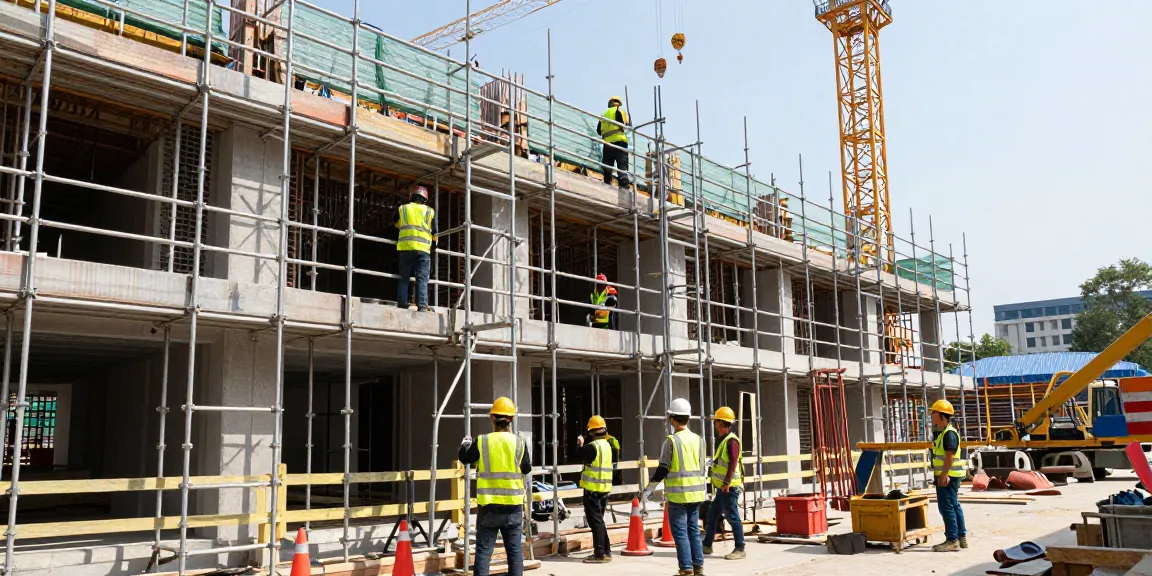
Understanding Commercial Scaffolding
Commercial scaffolding plays a crucial role in the construction and renovation of commercial properties. It provides a safe and stable working platform for contractors and workers, enabling them to perform tasks at various heights. Whether it’s for new builds, renovations, or restoration projects, scaffolding is an essential component that ensures the safety and efficiency of construction activities. When exploring options, commercial scaffolding solutions are tailored to meet the unique needs of each project, ensuring compliance with industry standards and safety regulations.
What is Commercial Scaffolding?
Commercial scaffolding refers to temporary structures that provide support for workers and materials during construction, maintenance, or repair of commercial buildings. Unlike residential scaffolding, which is often used for smaller scale projects, commercial scaffolding is designed to accommodate larger structures and complex configurations. It is made from various materials such as steel and aluminum and can be adjusted to fit the specific requirements of a job site.
Types of Commercial Scaffolding Systems
There are several types of scaffolding systems used in commercial projects, each serving different purposes:
- Frame Scaffolding: Widely used for its versatility and ease of assembly, frame scaffolding consists of horizontal and vertical frames.
- System Scaffolding: This modular system allows for easier assembly and disassembly, making it ideal for fast-paced projects.
- Suspended Scaffolding: Often used for high-rise buildings, this type is suspended from the structure, allowing workers to reach vertical surfaces.
- Supported Scaffolding: Designed with a solid foundation, this scaffolding is typically used for low-rise buildings and exterior work.
Key Regulations and Safety Standards
Maintaining safety in commercial scaffolding is paramount. Various regulations, such as those set forth by the Health and Safety Executive (HSE) in the UK, dictate how scaffolding should be erected, maintained, and inspected. Adhering to these guidelines not only protects workers but also minimizes risks to the public. Proper training and certification are essential for any personnel involved in scaffolding operations.
Common Mistakes in Scaffolding Projects
Despite the established guidelines, several common errors can occur during scaffolding projects that may compromise safety and efficiency.
Neglecting Proper Planning and Permits
One of the most significant oversights is the failure to secure the necessary permits and conduct thorough planning. Each scaffolding project should begin with a detailed assessment of the site and the specific requirements needed to ensure safety and compliance with local regulations.
Using Substandard Materials
Utilizing inferior materials can lead to catastrophic failures. It is crucial to use high-quality scaffolding equipment that meets safety standards and is appropriate for the intended load and environment.
Overloading Scaffolding Systems
Overloading scaffolding can result in structural failures and accidents. It is essential to adhere to load limits and ensure that materials are evenly distributed across the scaffolding structure.
Essential Best Practices for Safe Scaffolding
Implementing best practices in scaffolding projects can significantly enhance safety and efficiency.
Conducting Thorough Site Assessments
Before any scaffolding installation, conducting a comprehensive site assessment is critical. This involves evaluating the environment, identifying hazards, and assessing the specific needs for scaffolding.
Implementing Regular Safety Inspections
Regular inspections of scaffolding structures ensure that any potential issues are identified early. These inspections should be conducted by qualified personnel and include checks for structural integrity, safety features, and compliance with regulations.
Training Workers on Safety Protocols
Educating workers on safety protocols and the proper use of scaffolding is vital. All personnel should undergo training that covers safe practices, risk assessment, and emergency procedures.
Case Studies of Successful Commercial Scaffolding Projects
Examining real-world examples can provide valuable insights into effective scaffolding practices.
Renovation of Iconic Buildings
Many iconic buildings have undergone renovations requiring extensive scaffolding. In these cases, scaffolding systems were designed to minimally impact the structure while providing full access for restoration work.
Emergency Restoration Projects
In scenarios involving natural disasters, scaffolding plays a crucial role in emergency restoration projects. Quick and efficient installation of scaffolding can help stabilize structures and provide access for repair teams.
New Construction Developments
New commercial developments often utilize innovative scaffolding solutions that align with modern architectural designs. These projects showcase the versatility and adaptability of contemporary scaffolding systems.
Future Trends in Commercial Scaffolding
The scaffolding industry is evolving, with several trends shaping its future.
Technological Innovations in Scaffolding
Advancements in technology, such as the use of drones for site inspections and augmented reality for planning, are revolutionizing the way scaffolding projects are managed, enhancing both safety and efficiency.
Impact of Sustainability on Scaffolding Practices
As sustainability becomes a focal point in construction, scaffolding practices are also adapting. This includes using eco-friendly materials and methods that minimize the environmental impact of scaffolding installations.
Predictions for the Scaffolding Industry in 2026
By 2026, the scaffolding industry is expected to see increased automation and the adoption of smart technologies that improve safety and operational efficiency. Furthermore, the trend toward sustainable practices will likely drive innovations in materials and design.
What are the key benefits of using professional scaffolding services?
Hiring professional scaffolding services ensures that projects are completed safely, on time, and in compliance with regulations. Professionals offer expertise in planning, installation, and safety inspections, reducing the risk of accidents.
How can I ensure my scaffolding project complies with regulations?
Compliance can be achieved by working with experienced scaffolding contractors who are knowledgeable about local regulations and safety standards. They can assist in securing the necessary permits and ensure that the scaffolding is erected according to established guidelines.
What is the typical timeline for a commercial scaffolding project?
The timeline for scaffolding projects can vary greatly depending on the scale and complexity of the job. However, a well-planned project can typically be completed within a few days to a couple of weeks.
How do I choose the right scaffolding company?
When selecting a scaffolding company, consider their reputation, experience, and safety record. It is also beneficial to check for certifications and ask for references from past clients.
What safety certifications should a scaffolding contractor have?
Contractors should have relevant safety certifications, such as those from the National Access and Scaffolding Confederation (NASC) or equivalent organizations, which demonstrate their adherence to industry standards.