Understanding the Air Compressor Pressure Switch
The air compressor pressure switch is a critical component in pneumatic systems, performing essential tasks that ensure optimal functionality and reliability. Recognizing its importance can lead to improved efficiency and longevity of air compressors and water pump systems alike. When exploring options, air compressor pressure switch choices are paramount to achieving the desired performance. This article delves into the mechanics of pressure switches, common challenges users face, and best practices for maintenance, making it an essential read for both industry professionals and enthusiasts.
What is an Air Compressor Pressure Switch?
An air compressor pressure switch is an automatic device designed to regulate the pressure levels within the compressor tank. It is essentially a control mechanism that turns the compressor motor on and off based on operating pressure. By maintaining preset levels, these switches protect the compressor from running dry or developing excessive pressure, which can lead to equipment damage or failure. Understanding the role of this switch is essential for anyone working with air compressors, whether in manufacturing, construction, or agricultural settings.
How Does It Function in Air Compressor Systems?
The operational principle of an air compressor pressure switch involves mechanical and electrical components. When the pressure in the tank drops below a specific threshold (cut-in pressure), the switch activates the motor. Conversely, when the pressure exceeds the upper limit (cut-out pressure), the switch interrupts the motor's power supply. This cyclical operation ensures that the compressor maintains consistent pressure, enhancing efficiency and preventing wear on the motor.
Key Features to Look for in a Quality Air Compressor Pressure Switch
- Durability: Look for switches made from high-quality materials that resist environmental factors.
- Pressure Range: Ensure the switch can handle the required PSI for both low and high-pressure applications.
- Electrical Ratings: Verify compatibility with the compressor's motor requirements to prevent electrical mishaps.
- Adjustability: Options for adjusting cut-in and cut-out pressures can provide flexibility for various applications.
- Safety Features: Incorporation of features like overload protection can enhance operational safety.
Common Challenges with Air Compressor Pressure Switches
Even high-quality pressure switches can encounter issues over time. Identifying these problems early can prevent costly repairs and downtime. Understanding common challenges associated with pressure switches can help users maintain optimal operation and extend the lifespan of their equipment.
Identifying Symptoms of a Faulty Pressure Switch
Some common signs that may indicate a faulty pressure switch include:
- Inconsistent pressure levels leading to compressor cycling on and off too frequently.
- Failure to turn on the compressor despite low pressure in the tank.
- Strange noises or vibrations related to the pressure switch operation.
- Visible damage such as cracks or burns on the switch itself.
How to Troubleshoot Common Issues
When troubleshooting a malfunctioning pressure switch, consider the following steps:
- Check electrical connections for corrosion or damage.
- Inspect the pressure settings to ensure they align with the operational requirements.
- Clean any accumulated dust or debris around the pressure switch.
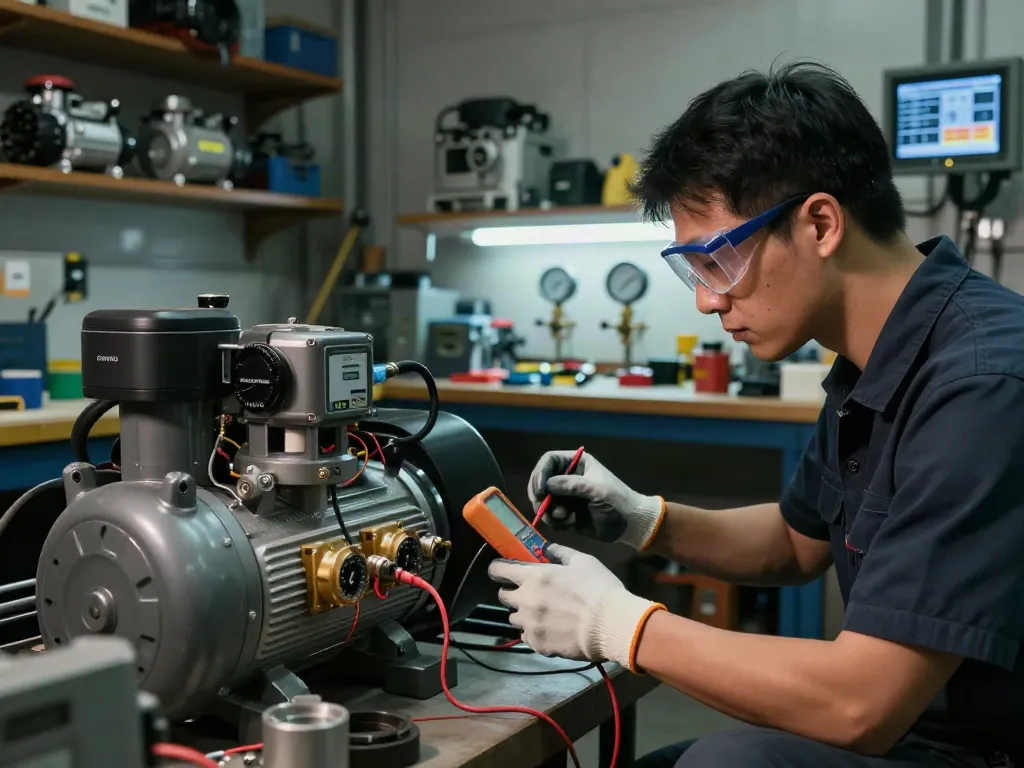
- Test the switch functionality with a multimeter to verify if it activates properly.
Misconceptions About Pressure Switch Lifespan and Performance
A prevalent misconception is that pressure switches are a one-time purchase. While quality switches are designed to withstand millions of cycles, factors such as environment, usage frequency, and maintenance significantly affect their lifespan. Regular inspection and proactive replacements can lead to less downtime and increased operational efficiency.
Best Practices for Maintaining Your Air Compressor Pressure Switch
Proper maintenance is crucial to prolonging the life of your air compressor pressure switch and ensuring effective operation. Implementing best practices can help you avoid unnecessary costs and repair times.
Regular Inspection and Testing Techniques
Conduct routine inspections to check for wear and tear. This includes:
- Performing electrical tests to ensure continuity.
- Examining the diaphragm for signs of wear.
- Checking calibration against known standards to ensure accuracy.
Optimal Settings for Different Applications
Depending on your specific use case, you might need to adjust the pressure switch settings. Understanding the requirements of your application can help in setting the correct cut-in and cut-out pressures. For example, lighter applications may require lower settings compared to heavy-duty industrial use.
Common Maintenance Mistakes to Avoid
Some common pitfalls include:
- Ignoring small signs of malfunction, which can escalate into larger issues.
- Using lower-quality aftermarket parts that do not meet operational specifications.
- Neglecting the importance of environmental conditions, such as excessive moisture or heat, which can degrade components faster.
Industry Applications of Air Compressor Pressure Switches
Pressure switches play a pivotal role across various industries, from manufacturing to agriculture. Their ability to ensure consistent pressure levels is a critical factor in system performance and reliability.
Role in OEM Integration for Air Compressors
In Original Equipment Manufacturer (OEM) applications, pressure switches are integral to the design and functionality of air compressors. Selecting the right switch can enhance the overall performance of piston-type compressors, whether for small workshops or large industrial setups.
Effectiveness in Aftermarket Replacement Parts
Given the high failure rate of lower-quality switches, OEM-grade pressure switches serve as essential aftermarket replacements. Their broad compatibility with common compressor brands is vital for maintenance, making them a preferred choice for service providers across diverse sectors.
Typical Use Cases in Water Pumping and Agricultural Systems
In water pumping applications, pressure switches ensure the efficient operation of domestic and commercial water booster pumps. They automatically control pump operation, helping maintain water pressure in multi-story buildings, hotels, and agricultural irrigation systems.
Future Trends Influencing Air Compressor Pressure Switch Design
With the rapid advancement of technology and increasing market demands, several trends will influence the design and functionality of air compressor pressure switches heading into 2026.
Innovations in Pressure Control Technology for 2026
Future pressure switches will likely incorporate smarter technology that allows for remote monitoring and adjustments. Enhanced sensors may provide real-time data on switch performance, leading to proactive maintenance solutions and improved operational efficiency.
Increasing Demand in High-Volume Markets
As industries expand and demand for pneumatic tools grows, the need for reliable pressure switches will increase. Manufacturers must adapt to cater to high-volume markets, producing switches that can handle increased workloads while maintaining quality.
Impacts of Sustainability on Manufacturing Practices
Sustainability is becoming a significant consideration in manufacturing. Future designs will likely focus on materials and processes that reduce environmental impact, ensuring compliance with emerging regulations and meeting consumer demand for greener products.
How Often Should You Replace Your Air Compressor Pressure Switch?
The frequency of replacement depends on various factors, including usage, quality of the switch, and operating conditions. Generally, it's recommended to evaluate the pressure switch every 3-5 years for potential signs of wear or malfunction.
What Are the Signs of a Failing Air Compressor Pressure Switch?
Signs include inconsistent pressure readings, failure to start, or audible signs of electrical issues. Regular checks can catch these symptoms early, allowing for timely intervention.
Can You Adjust the Settings on Your Air Compressor Pressure Switch?
Yes, most pressure switches have adjustable settings for cut-in and cut-out pressures. Proper calibration based on specific applications can optimize performance significantly.
Does Every Air Compressor Need a Pressure Switch?
While most air compressors benefit from having a pressure switch, some smaller or manual models may operate without them. However, incorporating a pressure switch typically enhances efficiency and safety.
How to Reset an Air Compressor Pressure Switch?
Resetting a pressure switch usually involves turning off power to the compressor and adjusting the pressure settings. Consult the manufacturer's guidelines for the specific procedure related to your model.