Understanding Felt Roof Replacement
Felt roofing, a crucial aspect of many buildings across the UK, provides an effective barrier against the elements. Though it has been used for decades, advancements in materials and installation techniques have significantly improved its durability and waterproofing capabilities. As homeowners consider renovations or repairs, understanding the nuances of felt roof replacement becomes essential. When exploring options, felt roof replacement offers comprehensive insights into finding reliable specialists and services tailored to your needs.
What is Felt Roofing?
Felt roofing is a type of flat roofing system that utilizes layers of roofing felt, typically made from bitumen or other waterproof materials. This roofing style is specifically designed for flat or low-pitched roofs, commonly found on garages, extensions, and porch structures. The basic concept involves applying several layers of felt to create a waterproof barrier, protecting the underlying structure from rainwater and moisture.
Key Benefits of Felt Roof Replacement
- Cost-Effective: Compared to traditional roofing materials, felt roofing is often more affordable, making it a viable option for budget-conscious homeowners.
- Durability: Modern felt systems are designed to withstand harsh weather conditions, decreasing the likelihood of leaks or damage over time.
- Ease of Installation: The installation process of felt roofing is generally straightforward, often requiring less time than other roofing alternatives.
- Energy Efficiency: When insulation is included during installation, felt roofs can help improve energy efficiency, reducing heating costs in colder months.
Common Misconceptions About Felt Roofing
Many homeowners have heard misconceptions about felt roofing, such as it being prone to leaks or requiring frequent repairs. However, when installed correctly by a professional, modern felt roofing systems can provide a long-lasting, reliable solution for flat roofs. Additionally, advancements in materials have greatly enhanced the performance of felt roofing, making it a more appealing choice than in previous decades.
When to Consider a Felt Roof Replacement
Signs You Need a Roof Replacement
Recognizing the signs that indicate the need for a felt roof replacement is crucial in maintaining the integrity of your home. Some common indicators include:
- Visible leaks or water damage on the interior ceilings or walls.
- Blistering or bubbling of the felt material, which may indicate trapped moisture.
- Missing sections of felt or widespread wear and tear.
- Increased energy bills, possibly due to poor insulation or heat loss.
Comparing Repair vs. Replacement
Homeowners are often faced with the dilemma of whether to repair an existing felt roof or opt for a complete replacement. While repairs may be sufficient for minor damage, extensive issues such as multiple leaks or significant wear may justify a full replacement. Consulting a qualified roofing contractor can provide clarity on the best approach for your specific situation.
Assessing Your Roof’s Condition
To assess the condition of your felt roof, it is advisable to conduct a thorough visual inspection. Look for signs of wear, such as cracks, tears, or significant ponding of water. Additionally, ensuring that proper drainage systems are in place can help prevent water accumulation and related issues. If you're uncertain about the assessment, professional roofers can provide a more detailed examination.
Choosing the Right Roofing Materials
Types of Felt Used in Roofing
Felt roofing materials vary in quality and composition. Some commonly used types include:
- Bitumen Felt: The traditional choice, often less expensive but may have a shorter lifespan compared to modern alternatives.
- Reinforced Felt: Offers improved durability and flexibility, making it suitable for roofs that experience temperature fluctuations.
- Cold-Apply Felt: Easier to install as it does not require heating, making it safer for certain environments.
Benefits of Modern Felt Systems
Modern felt roofing systems provide numerous advantages over traditional methods. These benefits include increased longevity, enhanced waterproofing capabilities, and reduced maintenance requirements. Additionally, many modern products are designed with environmental considerations, using sustainable materials that are less harmful to the planet.
Cost Considerations for Different Materials
When budgeting for felt roof replacement, it's essential to consider the costs associated with different materials. While initial costs may vary, it's important to factor in the long-term savings from reduced maintenance and energy efficiency. Different contractors may offer varying quotes based on the materials they recommend, so obtaining multiple estimates is advisable.
The Felt Roof Replacement Process
Step-by-Step Guide to Roof Replacement
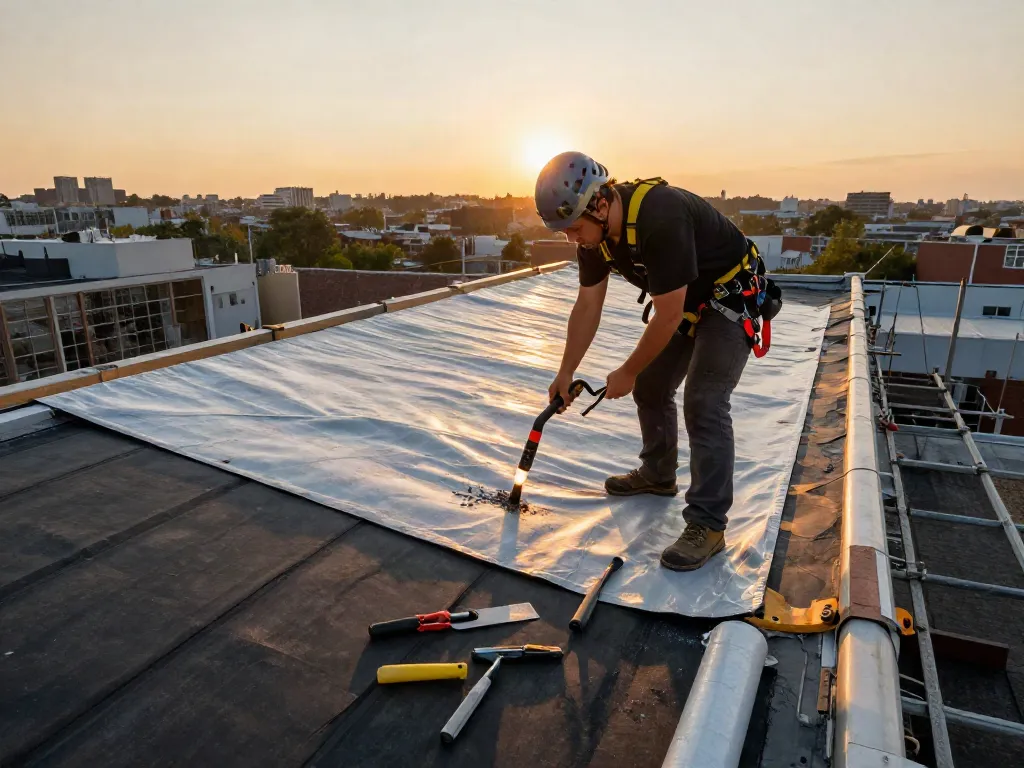
The process of replacing a felt roof typically involves several key steps:
- Inspection: A thorough assessment of the current roof condition.
- Preparation: Removing old roofing materials and preparing the surface for installation.
- Installation: Laying down new felt layers according to the manufacturer's specifications.
- Finishing: Sealing edges and ensuring the roof is adequately waterproofed.
Essential Tools and Safety Equipment
To ensure a safe and effective roofing project, having the right tools and equipment is essential.
- Safety harnesses and helmets for protection.
- Roofing knives and trowels for cutting and applying materials.
- Waterproof adhesives and seals to ensure a solid installation.
Hiring Professionals vs. DIY
While DIY projects can save money, roofing replacement is a task better left to professionals, owing to the skill and safety required. Experienced contractors can ensure that the job is done correctly and complies with building regulations, ultimately protecting your investment and your home.
Future Trends in Roofing Technology
Innovations in Felt Roofing Systems
Innovations in felt roofing technology continue to enhance longevity, sustainability, and performance. For example, self-adhesive felt products are gaining popularity, eliminating the need for heat application and reducing risk during installation.
Impact of Weather on Roof Longevity
Weather conditions play a significant role in the longevity of any roofing material. Extreme temperatures, heavy rainfall, and UV exposure can all impact the effectiveness of felt roofing systems. Homeowners should consider local climate factors when choosing materials and maintaining their roofs.
Energy Efficiency Trends in Roofing
With increasing energy costs, there is a growing emphasis on energy-efficient roofing solutions. Insulating felt roofs can help reduce heat loss, improving thermal performance and reducing energy bills. Additionally, some modern systems incorporate reflective surfaces that minimize heat absorption.
FAQs about Felt Roof Replacement
Can I refelt a roof myself?
While some homeowners may attempt to refelt their roofs, it is generally recommended to hire professionals due to the skills and safety measures required for installation.
What is the life expectancy of a felt roof?
The life expectancy of a felt roof can vary widely depending on the materials used and the quality of installation, but modern felt roofs typically last 15-25 years.
Should you remove old felt when replacing a roof?
In most cases, it is advisable to remove old felt to ensure the best performance of the new roofing material. This allows for a thorough inspection of the underlying structure.
Can you put new felt on top of old felt?
While it is technically possible to lay new felt over existing materials, it is generally not recommended as it can lead to complications, such as moisture retention and inadequate sealing.
What costs should I expect for a felt roof replacement?
The costs for felt roof replacement can vary based on factors such as the size of the roof, the materials used, and the contractor's rates. Homeowners can expect a range from £1,500 to £5,000 depending on these variables.